As a seasoned supplier of raised floor panels, I often encounter a critical question from clients: Are raised floor panels moisture-resistant? This query isn’t just a casual inquiry; it’s a fundamental consideration for anyone looking to invest in a raised floor system, especially in environments where moisture is a potential concern. In this blog, I’ll delve into the intricacies of moisture resistance in raised floor panels, exploring the factors that influence it, the technologies employed, and the practical implications for various applications. Raised Floor Panels
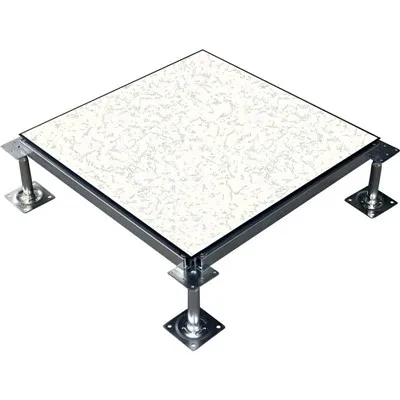
Understanding Moisture and Its Impact on Raised Floor Panels
Moisture is a ubiquitous element in our environment, and its presence can pose significant challenges to the integrity and functionality of raised floor panels. When moisture seeps into the panels, it can lead to a range of issues, including warping, swelling, mold growth, and corrosion of the supporting structure. These problems not only compromise the aesthetic appeal of the floor but also undermine its structural stability, potentially leading to safety hazards and costly repairs.
Factors Affecting Moisture Resistance
The moisture resistance of raised floor panels is influenced by several key factors, each playing a crucial role in determining their performance in humid or wet conditions.
- Material Composition: The type of materials used in the construction of the panels is perhaps the most significant factor affecting their moisture resistance. For example, panels made from high-density fiberboard (HDF) or particleboard are more susceptible to moisture damage than those constructed from materials such as steel, aluminum, or cementitious composites. Steel and aluminum panels, in particular, offer excellent moisture resistance due to their non-porous nature and high durability.
- Surface Treatment: The surface treatment applied to the panels can also enhance their moisture resistance. For instance, coating the panels with a moisture-resistant laminate or paint can create a protective barrier that prevents moisture from penetrating the surface. Additionally, some manufacturers use specialized treatments, such as waterproofing agents or fire-retardant coatings, to improve the panels’ performance in harsh environments.
- Manufacturing Process: The quality of the manufacturing process can also impact the moisture resistance of the panels. Panels that are produced using advanced manufacturing techniques, such as precision molding or hot-pressing, are more likely to have a uniform structure and fewer voids, which reduces the risk of moisture infiltration. Additionally, proper quality control during the manufacturing process ensures that the panels meet strict standards for moisture resistance and durability.
- Installation and Maintenance: The installation and maintenance of the raised floor system can also affect its moisture resistance. Proper installation techniques, such as ensuring a level and stable subfloor, using moisture barriers, and sealing all joints and edges, can help prevent moisture from entering the system. Regular maintenance, including cleaning and inspection, can also help identify and address any potential moisture issues before they become major problems.
Technologies Used to Enhance Moisture Resistance
In recent years, significant advancements have been made in the development of technologies to enhance the moisture resistance of raised floor panels. These technologies aim to provide better protection against moisture damage, improve the durability of the panels, and extend their lifespan.
- Waterproof Core Materials: Some manufacturers have developed raised floor panels with waterproof core materials, such as extruded polystyrene (XPS) foam or waterproof cementitious composites. These materials offer excellent moisture resistance and can withstand exposure to high levels of humidity and moisture without warping or swelling.
- Moisture-Blocking Vapor Barriers: Another common technology used to enhance moisture resistance is the use of moisture-blocking vapor barriers. These barriers are installed between the subfloor and the raised floor panels to prevent moisture from migrating from the ground into the system. Vapor barriers are typically made from materials such as polyethylene or polypropylene and can provide an effective barrier against moisture infiltration.
- Sealed Edges and Joints: Sealed edges and joints are essential for preventing moisture from entering the raised floor system. Many manufacturers use specialized sealing techniques, such as rubber gaskets or silicone sealants, to ensure a tight and waterproof seal between the panels. This helps to prevent moisture from seeping into the joints and causing damage to the panels.
Practical Applications of Moisture-Resistant Raised Floor Panels
Moisture-resistant raised floor panels are suitable for a wide range of applications, especially in environments where moisture is a significant concern. Some of the most common applications include:
- Data Centers: Data centers house sensitive electronic equipment that is highly susceptible to damage from moisture. Moisture-resistant raised floor panels are essential for protecting the equipment from water damage and ensuring its reliable operation. Additionally, raised floors in data centers provide a convenient way to manage cables and airflow, which can help improve the efficiency of the system.
- Medical Facilities: Medical facilities, such as hospitals and clinics, require a clean and hygienic environment to prevent the spread of infection. Moisture-resistant raised floor panels are ideal for these applications because they are easy to clean and maintain, and they can resist the growth of mold and bacteria. Additionally, raised floors in medical facilities can provide a convenient way to access plumbing and electrical systems, which can help reduce downtime and maintenance costs.
- Food Processing Plants: Food processing plants are subject to strict hygiene regulations, and moisture control is essential for preventing the growth of bacteria and mold. Moisture-resistant raised floor panels are suitable for these applications because they can withstand frequent cleaning and disinfection, and they can resist the effects of moisture and chemicals. Additionally, raised floors in food processing plants can provide a convenient way to manage drainage and ventilation, which can help improve the safety and efficiency of the operation.
- Basements and Crawl Spaces: Basements and crawl spaces are prone to moisture problems, such as flooding, high humidity, and water leaks. Moisture-resistant raised floor panels can help prevent these issues by providing a barrier between the subfloor and the living space. Additionally, raised floors in basements and crawl spaces can help improve the energy efficiency of the home by reducing heat loss through the floor.
Conclusion
In conclusion, the question of whether raised floor panels are moisture-resistant is a complex one that depends on several factors, including the material composition, surface treatment, manufacturing process, installation, and maintenance. While not all raised floor panels are created equal when it comes to moisture resistance, there are many options available on the market today that offer excellent protection against moisture damage.
As a supplier of raised floor panels, I understand the importance of providing our customers with high-quality products that meet their specific needs. That’s why we offer a wide range of moisture-resistant raised floor panels, made from the latest materials and technologies, to ensure that our customers get the best possible performance and durability.
Metal Raised Access Floor If you’re considering investing in a raised floor system for your facility, I encourage you to contact us to learn more about our products and services. Our team of experts can help you choose the right raised floor panels for your application, and we can provide you with professional installation and maintenance services to ensure that your system operates smoothly and efficiently for years to come.
References
- ASTM International. (2023). Standard Test Methods for Evaluating the Physical and Mechanical Properties of Raised Floor Panels.
- National Fire Protection Association. (2023). NFPA 70: National Electrical Code.
- International Building Code. (2023). International Building Code.
- Green Building Council. (2023). LEED Green Building Rating System.
Fineco Tech Co., Ltd.
As one of the most professional raised floor panels manufacturers and suppliers in China, we’re featured by quality products and good service. Welcome to wholesale customized raised floor panels made in China here from our factory. If you have any enquiry about cooperation, please feel free to email us.
Address: Wuyue Square, Wujin District, Changzhou, Jiangsu, China
E-mail: info@finecotech.com
WebSite: https://www.finecoglobal.com/
