Peptides have emerged as a revolutionary solution in the field of hair growth. As a dedicated supplier of peptides for hair growth, I’ve witnessed a growing curiosity among consumers and professionals alike about how long it takes for these remarkable compounds to yield visible results. In this blog, I’ll draw on scientific knowledge and real – world experience to provide an in – depth exploration of this question. Peptide for Hair Growth
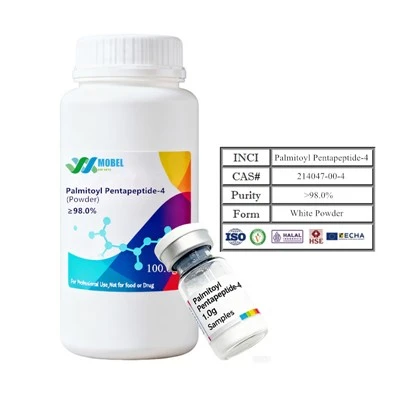
Understanding Peptides for Hair Growth
Before delving into the time frame, it’s crucial to understand what peptides are and how they work in promoting hair growth. Peptides are short chains of amino acids, the building blocks of proteins. In the context of hair, specific peptides can interact with hair follicles at the cellular level.
Some peptides stimulate the dermal papilla cells in the hair follicles. These cells are responsible for regulating hair growth cycles and determining the thickness and length of the hair shaft. By activating these cells, peptides can encourage the transition of hair follicles from the resting phase (telogen) to the growth phase (anagen). Other peptides may enhance blood circulation in the scalp, ensuring that hair follicles receive an adequate supply of nutrients and oxygen, which are essential for healthy hair growth.
Factors Affecting the Time to See Results
The time it takes for peptides to show results in hair growth is not a one – size – fits – all answer. Several factors can influence this timeline:
1. Individual Biology
Genetics play a significant role in hair growth. Some individuals have a genetic predisposition to faster or slower hair growth. For example, people with a family history of thick, fast – growing hair may experience quicker results from peptide treatments compared to those with a genetic tendency towards thin or slow – growing hair.
Age is another important factor. As we age, the natural hair growth cycle slows down, and hair follicles may become less responsive. Older individuals may therefore take longer to see visible improvements in hair growth when using peptides. Hormonal imbalances can also impact the effectiveness and speed of peptide treatment. Conditions such as polycystic ovary syndrome (PCOS) in women or low testosterone in men can disrupt the normal hair growth cycle, and peptides may need more time to counteract these effects.
2. Severity of Hair Loss
The extent of hair loss is a crucial determinant. Individuals with mild hair thinning may notice results more quickly than those with advanced baldness. In cases of severe hair loss, the hair follicles may be in a more dormant state, and it may take longer for the peptides to re – activate them. For instance, someone with early – stage male pattern baldness might start seeing improvements in a matter of weeks, while a person with extensive bald patches may require several months of consistent peptide use.
3. Peptide Type and Quality
Not all peptides are created equal when it comes to hair growth. Different peptides have different mechanisms of action and potencies. For example, some peptides are designed specifically to increase blood flow to the scalp, while others focus on directly stimulating hair follicle cells. The quality of the peptides also matters. High – quality, pure peptides are more likely to be effective and may produce results more rapidly than lower – quality alternatives. As a supplier, we ensure that our peptides are of the highest purity and quality, which can significantly impact the time it takes for customers to see results.
4. Treatment Consistency
Consistency is key when using peptides for hair growth. Peptides need to be applied regularly, as directed, to maintain a continuous effect on the hair follicles. Skipping applications can disrupt the treatment process and delay results. For example, if a product recommends daily application and a user only applies it a few times a week, it may take much longer for the peptides to build up in the scalp and start producing visible changes.
General Time Frames for Results
Based on scientific studies and customer feedback, here are some general time frames for when you might expect to see results:
1. 4 – 8 Weeks
In the initial 4 – 8 weeks of using peptides for hair growth, you may start to notice some early signs of change. These can include a reduction in hair shedding. Peptides work to strengthen the hair follicles, making the hair less likely to fall out during the normal hair growth cycle. You might also observe a slight improvement in hair texture. The hair may become softer and more manageable, as the peptides help to nourish the hair shaft from within.
2. 8 – 12 Weeks
Between 8 and 12 weeks, more visible changes may start to occur. You may notice small, fine hairs starting to grow in areas where there was previously thinning. This is a positive sign that the peptides are successfully stimulating the hair follicles to enter the growth phase. The overall density of the hair may also start to improve slightly, giving the appearance of thicker hair.
3. 12 – 24 Weeks
By the 12 – 24 – week mark, more significant results are typically expected. The fine hairs that started growing earlier will continue to develop and thicken. You may notice a more substantial increase in hair density, and the areas of thinning or baldness may start to fill in more noticeably. In some cases, individuals may see a complete reversal of mild hair loss, with a return to a fuller, healthier head of hair.
It’s important to note that these are general guidelines, and individual results may vary based on the factors mentioned earlier.
Real – World Examples and Case Studies
Over the years, we’ve had numerous customers who have shared their experiences with our peptide products. One customer, a 35 – year – old man with early – stage male pattern baldness, started using our peptide – based hair growth serum. After 6 weeks, he reported a significant reduction in hair shedding. By 12 weeks, he noticed small, new hairs growing on his temples, which had been thinning. After 20 weeks, his hairline had visibly improved, and he was extremely satisfied with the results.
Another example is a 45 – year – old woman who had been experiencing hormonal hair loss due to menopause. She was skeptical at first but decided to give our peptides a try. After 8 weeks of consistent use, she noticed that her hair was no longer falling out in clumps. By 16 weeks, she could see new growth in the crown area of her head, which had been particularly affected. At 24 weeks, her overall hair density had improved, and she felt more confident about her appearance.
Tips to Optimize Results
To get the most out of peptide treatments for hair growth and potentially see results more quickly, here are some tips:
- Follow the Instructions: Always use the peptide product as directed by the manufacturer. This includes the frequency of application, the amount to use, and any specific application techniques.
- Combine with a Healthy Lifestyle: A balanced diet rich in vitamins and minerals, regular exercise, and adequate sleep can all support healthy hair growth. Nutrients such as biotin, zinc, and iron are essential for hair health and can enhance the effects of peptides.
- Manage Stress: High stress levels can contribute to hair loss. Practice stress – management techniques such as meditation, yoga, or deep breathing exercises to reduce stress and promote optimal hair growth.
Contact Us for More Information

If you’re interested in learning more about our peptide products for hair growth or have any questions about how long it might take to see results in your specific situation, we’re here to help. We understand that hair loss can be a sensitive issue, and we’re committed to providing personalized advice and high – quality products.
Peptide Raw Material Feel free to reach out to us to start a discussion about your hair growth goals. Whether you’re a professional looking to incorporate our peptides into your hair care offerings or an individual seeking a solution for hair loss, we’re eager to assist you.
References
- Sinclair RD, Dawber RP. "Androgenetic alopecia: a review of diagnosis and treatment." Br J Dermatol. 1999;141(1):19 – 29.
- Olsen EA, Whiting DA, Bergfeld WF, et al. "Efficacy and safety of topical minoxidil solutions in the treatment of androgenetic alopecia in men and women." J Am Acad Dermatol. 2002;47:377 – 385.
- Gilhar A, Ullmann Y, Paus R. "Technological advances in the study and treatment of hair loss." J Dermatol Sci. 2004;35:1 – 15.
Mobel Biomaterials Technology Co., Ltd.
As one of the most professional peptide for hair growth manufacturers and suppliers in China, we have world-leading production equipment and strong manufacturing capabilities. Please rest assured to buy bulk high quality peptide for hair growth made in China here from our factory. For more cheap products, contact us now.
Address: 25 No.Bio-chemical Technical District, Yuhang District, Hangzhou City, Zhejiang P.R China 310001
E-mail: service@mobelbiochem.com
WebSite: https://www.mobelbiochem.com/
