Yo! I’m a supplier of Polyhexamethylene Biguanide (PHMB), and I get a lot of questions about it. People are curious about what it is, what it’s used for, and most importantly, what the side – effects are. So, let’s dive right into it. Polyhexamethylene Biguanide
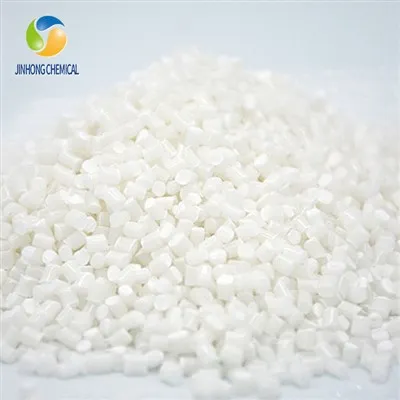
What is Polyhexamethylene Biguanide?
First off, PHMB is a pretty cool chemical. It’s a cationic polymer, which means it has a positive charge. This positive charge is super important because it allows PHMB to bind to negatively charged surfaces, like the cell membranes of bacteria, fungi, and some viruses. Once it binds, it disrupts the cell membrane, causing the contents of the cell to leak out and eventually killing the microorganism. That’s why it’s used in so many disinfectant products.
You can find PHMB in all sorts of stuff. It’s in wound dressings, contact lens solutions, swimming pool disinfectants, and even some household cleaning products. It’s effective at low concentrations, and it’s relatively stable under different conditions, which makes it a popular choice for these applications.
The Side – Effects
Now, let’s talk about the side – effects. Like any chemical, PHMB isn’t completely without risks, but the side – effects are generally pretty rare and depend on how it’s used.
Skin and Eye Irritation
One of the most common side – effects is skin and eye irritation. When PHMB comes into direct contact with the skin or eyes, it can cause redness, itching, and a burning sensation. This is more likely to happen if the concentration of PHMB is high or if a person has sensitive skin.
For example, in some people who use contact lens solutions containing PHMB, they might experience mild eye discomfort. It could be a little bit of stinging when they put the contacts in, or their eyes might look a bit red. Usually, this goes away pretty quickly once the eyes are rinsed with clean water.
On the skin, if you’re using a wound dressing with PHMB and you notice that the area around the wound is getting red and itchy, it could be a sign of irritation. In most cases, stopping the use of the product and cleaning the area will make the symptoms go away.
Allergic Reactions
Although it’s less common, some people can have an allergic reaction to PHMB. An allergic reaction is different from simple irritation. It’s the body’s immune system overreacting to the chemical. Symptoms of an allergic reaction can be more severe and might include swelling, hives, difficulty breathing, and in extreme cases, anaphylaxis.
If someone has a history of allergies, they should be extra careful when using products with PHMB. It’s always a good idea to do a patch test first. For example, if you’re thinking about using a new wound dressing with PHMB, put a small amount on a small area of skin, like the inside of your wrist. Wait for 24 hours and see if there’s any reaction. If there is, don’t use the product.
Environmental Impact
We also need to talk about the environmental side – effects. PHMB is persistent in the environment, which means it doesn’t break down easily. When it gets into water systems, such as rivers and lakes, it can have an impact on aquatic life.
Studies have shown that PHMB can be toxic to some types of aquatic organisms, like algae and fish. It can disrupt their normal biological processes and even cause death at high concentrations. This is a concern, especially given that PHMB is used in swimming pool disinfectants and can end up in the environment when the pool water is emptied or when it overflows during heavy rain.
Inhalation Risks
When PHMB is in a powder form or as a fine mist, there’s a risk of inhalation. Inhaling PHMB can cause respiratory problems, such as coughing, shortness of breath, and irritation of the throat and lungs. This is more of a concern for people who work in industries where they handle PHMB directly, like in a manufacturing plant.
Workers in these industries need to wear proper protective equipment, like masks and respirators, to avoid inhaling the chemical. They also need to work in well – ventilated areas to minimize the concentration of PHMB in the air.
Minimizing the Side – Effects
The good news is that there are ways to minimize the side – effects of PHMB.
Proper Use
First of all, it’s important to use products with PHMB as directed. Read the labels carefully and follow the instructions for dilution, application, and storage. For example, if you’re using a contact lens solution, don’t let it sit in the container for longer than the recommended time, and make sure you rinse your contacts thoroughly before putting them in your eyes.
Protective Equipment
If you’re handling PHMB directly, wear appropriate protective equipment. This includes gloves to protect your hands, goggles to protect your eyes, and masks or respirators to protect your lungs. This is especially important in industrial settings where the risk of exposure is higher.
Environmental Protection
To minimize the environmental impact, we need to be more careful about how we dispose of products containing PHMB. For example, don’t empty swimming pool water directly into storm drains or natural water sources. Instead, follow local regulations for proper disposal.
Why PHMB is Still a Good Choice
Despite the side – effects, PHMB is still a popular and useful chemical. It’s highly effective at killing a wide range of microorganisms, which makes it great for disinfection. It’s also cost – effective, which means it’s accessible for many different applications, from small household products to large – scale industrial use.
The side – effects are relatively rare, especially when the product is used correctly. And with the proper precautions, the risks can be minimized significantly.
Contact for Purchase
Preservatives & Biocides If you’re interested in purchasing Polyhexamethylene Biguanide for your business or personal use, I’d love to talk to you. I can provide you with high – quality PHMB at competitive prices. Whether you need it for a small – scale project or a large – scale industrial application, I’ve got you covered. Don’t hesitate to reach out to start a conversation about your needs.
References
- "Antimicrobial activity and cytotoxicity of polyhexamethylene biguanide". Journal of Antimicrobial Chemotherapy.
- "Environmental fate and effects of polyhexamethylene biguanide". Environmental Science & Technology.
- "Safety assessment of polyhexamethylene biguanide in consumer products". Toxicology Letters.
Hebei Jinhong Chemical Co., Ltd.
Hebei Jinhong Chemical Co., Ltd. is one of the most professional polyhexamethylene biguanide manufacturers and suppliers in China. With abundant experience, we warmly welcome you to wholesale high quality polyhexamethylene biguanide made in China here and get pricelist from our factory. For price consultation, contact us.
Address: North of Fazhan Road, East of Qingyuan Road, Nanbao Development Zone, Tangshan City, Hebei Province
E-mail: kevin@hbjhchemical.com
WebSite: https://www.hbjhchemical.com/
