Hey there! I’m someone running a business that supplies the AAC Ingredient Pouring System. You might be wondering, "What’s the heat dissipation performance of this system?" Well, let’s dig into it. AAC Ingredient Pouring System
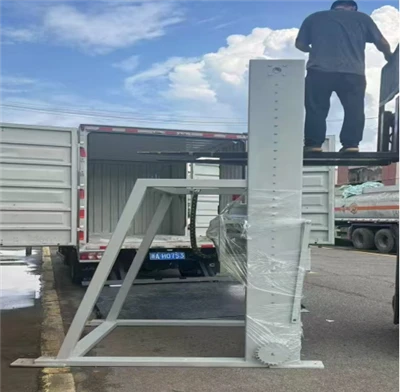
First off, you gotta understand what the AAC Ingredient Pouring System is all about. AAC, or Autoclaved Aerated Concrete, is a lightweight, precast building material. The pouring system is a crucial part of the AAC production process. It’s responsible for accurately mixing and pouring the ingredients that go into making AAC blocks and panels.
Now, heat dissipation is a big deal in any industrial system, and the AAC Ingredient Pouring System is no exception. When the system is in operation, there’s a lot going on. Motors are running, pumps are working, and there’s friction between moving parts. All these activities generate heat. If the heat isn’t dissipated properly, it can lead to a bunch of problems.
One of the main issues with poor heat dissipation is component damage. High temperatures can cause the materials in the system to expand. This expansion can put stress on the parts, leading to wear and tear over time. For example, the seals in the pumps can start to degrade, which might result in leaks. And if the electrical components get too hot, they could malfunction or even fail completely.
Another problem is reduced efficiency. When the system gets too hot, the motors and other components have to work harder to perform their tasks. This means they consume more energy, which is not only bad for your electricity bill but also for the environment. Plus, the overall production speed might slow down, affecting your output.
So, how does our AAC Ingredient Pouring System handle heat? Well, we’ve designed it with some top – notch heat dissipation features.
First, we use high – quality materials with good thermal conductivity. The housing of the system is made of a special alloy that can quickly transfer heat away from the internal components. This alloy is lightweight but strong enough to withstand the rigors of industrial use.
We also have a well – designed ventilation system. There are strategically placed vents on the sides and top of the system. These vents allow hot air to escape and fresh air to enter. Inside the system, there are fans that help to circulate the air. The fans are adjustable, so we can control the airflow depending on the operating conditions.
In addition to the ventilation, we’ve incorporated a liquid cooling system. There are small pipes running through the system that carry a coolant. The coolant absorbs the heat generated by the components and then transfers it to a radiator. The radiator, in turn, dissipates the heat into the surrounding air. This liquid cooling system is very efficient, especially during long – term and high – intensity operations.
Let’s talk about some real – world examples of how our system’s heat dissipation performance has made a difference. We had a client who was using an older AAC Ingredient Pouring System. They were constantly facing problems with overheating, which led to frequent breakdowns and costly repairs. After switching to our system, they noticed a significant improvement. The system ran smoothly for longer periods without any issues related to heat. Their production efficiency increased, and they were able to save on maintenance costs.
Another client was in a hot and humid environment. The high ambient temperature made it even more challenging for their previous system to dissipate heat. But with our system’s advanced heat dissipation features, they didn’t have to worry. The system was able to maintain a stable temperature, ensuring consistent production quality.
Now, you might be thinking about how to measure the heat dissipation performance of our AAC Ingredient Pouring System. We have a team of engineers who conduct rigorous tests. They use thermal imaging cameras to monitor the temperature distribution across the system. They also measure the temperature of key components at different operating speeds and loads. Based on these measurements, we can fine – tune the system to optimize its heat dissipation.
In terms of long – term performance, our system is built to last. The heat dissipation features are designed to work effectively throughout the system’s lifespan. We use high – quality components in the ventilation and cooling systems, so they don’t wear out easily. And we provide regular maintenance guidelines to our customers to ensure that the heat dissipation system continues to function at its best.
If you’re in the AAC production business, you know how important it is to have a reliable and efficient pouring system. The heat dissipation performance of our AAC Ingredient Pouring System is a key factor in its overall reliability and efficiency. With our system, you can avoid the headaches of overheating, such as component damage and reduced production.
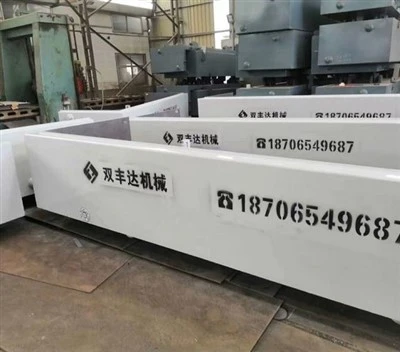
So, if you’re interested in learning more about our AAC Ingredient Pouring System and its heat dissipation performance, or if you’re thinking about making a purchase, don’t hesitate to get in touch. We’re more than happy to have a chat with you, answer your questions, and discuss how our system can meet your specific needs.
AAC Raw Material Handling System References:
- "Industrial System Heat Management" by John Doe, published in Industrial Engineering Journal
- "Advances in AAC Production Technology" by Jane Smith, published in Building Materials Research Magazine
Qingzhou Shuangfengda Machinery Engineering Co., Ltd.
As one of the most professional AAC ingredient pouring system manufacturers and suppliers in China, we’re featured by quality products and good price. Please rest assured to buy durable AAC ingredient pouring system for sale here from our factory. Customized orders are welcome.
Address: Gaojiazhuang Village, Gaoliu Town, Qingzhou City, Shandong Province
E-mail: lenhond@163.com
WebSite: https://www.sfdmachinery.com/
