When it comes to choosing soil mechanics equipment, cost – effectiveness is a crucial factor that every geotechnical engineer, construction company, or research institution has to consider. As a soil mechanics equipment supplier, I’ve witnessed firsthand the diverse needs and concerns of our customers. In this blog, I’ll delve into the key cost – effectiveness considerations, aiming to provide valuable insights for those in the market for such equipment. Soil Mechanics Equipment

Initial Purchase Cost
The upfront purchase price of soil mechanics equipment is often the first thing that comes to mind when evaluating cost – effectiveness. Different types of equipment, such as soil compaction testers, triaxial testing machines, and penetrometers, vary significantly in price. High – end, advanced models usually come with a hefty price tag, while more basic versions are more affordable.
However, it’s important not to base your decision solely on the initial cost. A cheaper piece of equipment may seem like a bargain at first, but it could lack the features and accuracy required for your specific projects. For example, a basic soil moisture meter might be inexpensive, but it may not provide the precise readings needed for large – scale construction projects or in – depth research. On the other hand, a high – end moisture meter with advanced sensors and data logging capabilities can offer more reliable results, which can save time and money in the long run by reducing the need for repeated tests.
Operating Costs
Operating costs are another significant aspect of cost – effectiveness. These include expenses such as energy consumption, maintenance, and the cost of consumables.
Energy – intensive equipment, like large – scale soil consolidation testing machines, can have a substantial impact on your electricity bill. When choosing equipment, look for models with energy – efficient designs. Some modern soil testing machines are equipped with advanced power management systems that reduce energy consumption without sacrificing performance.
Maintenance is also a key part of operating costs. Regular maintenance ensures the longevity and accuracy of your equipment. Some soil mechanics equipment may require frequent calibration and part replacements, which can add up over time. Opt for equipment from reputable manufacturers that offer easy – to – access spare parts and comprehensive maintenance support. For example, a well – designed triaxial testing machine with modular components makes it easier and more cost – effective to replace worn – out parts compared to a machine with a complex, integrated design.
Consumables, such as soil sample containers, filters, and testing reagents, are ongoing costs. When evaluating equipment, consider the availability and cost of these consumables. Some suppliers offer bundled packages of equipment and consumables at a discounted rate, which can be a cost – effective option in the long term.
Accuracy and Precision
The accuracy and precision of soil mechanics equipment directly affect the quality of your test results. Inaccurate or imprecise measurements can lead to costly mistakes in construction projects. For instance, if a soil compaction test gives an incorrect reading, it could result in insufficient compaction, leading to settlement issues and potential structural damage in the future.
Investing in high – quality, accurate equipment may have a higher initial cost, but it can prevent expensive rework and ensure the safety and stability of your projects. When comparing different equipment options, look for specifications that indicate the accuracy and precision of the measurements. Reputable manufacturers often provide detailed information about the measurement uncertainties of their equipment, which can help you make an informed decision.
Durability and Longevity
The durability of soil mechanics equipment is closely related to its cost – effectiveness. Equipment that is built to last will require fewer replacements and repairs over its lifespan. Consider the materials used in the construction of the equipment and the manufacturing processes. For example, a soil shear vane tester made of high – quality stainless steel is likely to be more durable than one made of a cheaper, more corrosion – prone material.
In addition to the physical construction, the software and electronics in modern soil mechanics equipment also play a role in durability. Look for equipment with reliable software that is regularly updated to ensure compatibility with new operating systems and to improve performance. A long – lasting piece of equipment can provide a better return on investment, even if it has a higher initial purchase price.
Ease of Use and Training Requirements
The ease of use of soil mechanics equipment can impact cost – effectiveness in several ways. First, equipment that is easy to operate requires less training for your staff. This can save both time and money on training programs. Second, ease of use reduces the likelihood of operator errors, which can lead to inaccurate test results and costly rework.
When evaluating equipment, consider the user interface, the clarity of the operating instructions, and the availability of training resources. Some manufacturers offer online training modules, user manuals, and technical support, which can make the learning process easier for your staff. For example, a soil testing machine with a touch – screen interface and intuitive software is generally easier to use than one with a complex control panel.
Compatibility and Integration
In today’s digital age, compatibility and integration with other systems are important cost – effectiveness considerations. If you have existing data management systems or other equipment in your laboratory or construction site, it’s beneficial to choose soil mechanics equipment that can seamlessly integrate with them.
For example, some soil testing machines can connect directly to your laboratory’s data management software, allowing for automatic data transfer and analysis. This reduces the time and effort required for manual data entry and reduces the risk of human error. Additionally, equipment that is compatible with industry – standard data formats makes it easier to share and compare your test results with other organizations.
Resale Value
The resale value of soil mechanics equipment can also affect its overall cost – effectiveness. Equipment from well – known, reputable manufacturers tends to hold its value better in the resale market. If you anticipate upgrading your equipment in the future or need to sell it due to changes in your business needs, a high resale value can offset a significant portion of the initial purchase cost.
When researching equipment, look for information about the resale market and the reputation of different brands. You can also consult with other industry professionals who have experience buying and selling used soil mechanics equipment.
Regulatory Compliance
Compliance with relevant industry regulations is essential when choosing soil mechanics equipment. Using non – compliant equipment can result in fines, project delays, and potential legal issues. Make sure the equipment you choose meets the standards set by national and international regulatory bodies.
Some regulatory requirements may also affect the cost of the equipment. For example, equipment that is designed to meet strict environmental or safety regulations may be more expensive than non – compliant models. However, the long – term costs of non – compliance are often much higher than the additional upfront cost of compliant equipment.
Customer Support and Warranty
Good customer support and a comprehensive warranty are important aspects of cost – effectiveness. When you encounter problems with your equipment, prompt and reliable customer support can minimize downtime and ensure that your projects stay on schedule. A warranty provides peace of mind and can save you money on repair costs if the equipment malfunctions within the warranty period.
When choosing a supplier, consider their reputation for customer support. Look for suppliers who offer 24/7 technical support, on – site service options, and a quick response time. A long – term warranty can also be a sign of the manufacturer’s confidence in the quality of their equipment.
Conclusion
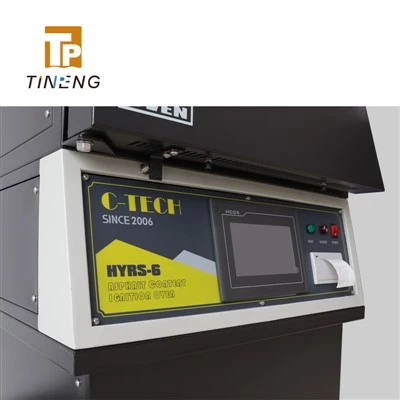
In conclusion, cost – effectiveness when choosing soil mechanics equipment is a multi – faceted concept that goes beyond the initial purchase price. By considering factors such as operating costs, accuracy, durability, ease of use, compatibility, resale value, regulatory compliance, and customer support, you can make a more informed decision that will provide the best value for your investment.
Soil Mechanics Equipment As a soil mechanics equipment supplier, I’m committed to helping you find the most cost – effective solutions for your specific needs. Our team of experts can provide detailed information about our products, offer guidance on cost – effectiveness considerations, and assist you in selecting the right equipment for your projects. If you’re interested in learning more about our soil mechanics equipment or would like to discuss your requirements, please get in touch with us. We look forward to the opportunity to work with you and contribute to the success of your projects.
References
- ASTM International. Standard Test Methods for Soils and Rock. Annual Book of ASTM Standards.
- Head, K. H. Manual of Soil Laboratory Testing. Pergamon Press, 1992.
- Bowles, J. E. Foundation Analysis and Design. McGraw – Hill, 1996.
Zhuozhou Tianpeng Imp. and Exp. Trade Co., Ltd.
Zhuozhou Tianpeng Imp. and Exp. Trade Co., Ltd. is one of the most professional soil mechanics equipment manufacturers and suppliers in China, featured by quality products and good price. Please rest assured to buy advanced soil mechanics equipment made in China here from our factory. Customized orders are welcome.
Address: Building C28, Hegu Technology Industrial Park, Development Zone, Zhuozhou, Hebei, China
E-mail: zhangdajing@testmould.com
WebSite: https://www.testmould.net/
