As a supplier of carbon fiber bicycle saddles, I often encounter questions from customers regarding the safety of these products. Carbon fiber has become a popular material in the cycling industry due to its high strength – to – weight ratio, but concerns about safety are valid and need to be addressed comprehensively. Carbon Fiber Bicycle Saddle
Understanding Carbon Fiber
Carbon fiber is a composite material made up of carbon atoms bonded together in microscopic crystals that are aligned parallel to the long axis of the fiber. This alignment gives carbon fiber its exceptional strength in the direction of the fibers. When used in bicycle saddles, carbon fiber offers several advantages. It can be shaped into complex designs that provide better support and comfort for cyclists. The lightweight nature of carbon fiber also helps to reduce the overall weight of the bicycle, improving acceleration and maneuverability.
However, like any material, carbon fiber has its unique characteristics that can impact safety. One of the primary concerns is its behavior under stress. Carbon fiber is highly resistant to tensile stress, which means it can withstand pulling forces well. But it is more vulnerable to compressive and shear stress. If a carbon fiber saddle is subjected to excessive force from an unusual angle, such as a hard impact or a crash, there is a risk of damage.
Impact Resistance
In a cycling context, impacts are a common occurrence. Whether it’s hitting a pothole at high speed or a minor collision, a bicycle saddle can be affected. Carbon fiber saddles are designed to handle normal riding forces, but extreme impacts can cause problems. For example, a sharp blow to the edge of the saddle could lead to delamination, where the layers of carbon fiber separate from each other. This can weaken the structure of the saddle and compromise its safety.
To mitigate this risk, we conduct rigorous testing on our carbon fiber saddles. We use impact testing machines that simulate real – world scenarios, such as dropping weights from different heights and angles onto the saddle. Through these tests, we can determine the maximum impact force the saddle can withstand without damage. Based on the test results, we design our saddles with additional reinforcement in critical areas. For instance, we use a thicker layer of carbon fiber around the edges and the contact points with the bicycle frame to enhance impact resistance.
Fatigue Resistance
Another important safety aspect is fatigue resistance. A bicycle saddle is subjected to repeated stress during normal use. Every time a cyclist pedals, they exert force on the saddle, and over time, this can lead to fatigue in the material. Unlike some metals that can bend and deform under cyclic stress, carbon fiber can gradually develop micro – cracks with repeated loading. These micro – cracks can grow over time and eventually lead to a catastrophic failure of the saddle.
To ensure the long – term safety of our carbon fiber saddles, we design them with a high fatigue resistance. We use advanced carbon fiber manufacturing techniques that distribute the stress evenly across the saddle. By carefully selecting the type and orientation of the carbon fibers, we can maximize the saddle’s ability to withstand repeated stress. Additionally, we conduct fatigue tests on our saddles, cycling them through thousands of loading cycles to simulate years of normal use. Only saddles that pass these strict fatigue tests are approved for sale.
Compatibility with Bicycle Frames
The safety of a carbon fiber saddle also depends on its compatibility with the bicycle frame. A poorly – fitting saddle can cause discomfort and, more importantly, increase the risk of damage. If the saddle is not properly aligned or clamped to the frame, it may move during riding, leading to uneven stress distribution. This can put additional strain on the carbon fiber structure and potentially cause failure.
We provide detailed installation instructions with our carbon fiber saddles to ensure proper fitting. Our saddles are designed to be compatible with a wide range of bicycle frames, but we also offer customization options for customers with specific requirements. We recommend that cyclists have their saddles installed by a professional bike mechanic to ensure the best possible fit and safety.
Environmental Factors
Environmental factors can also affect the safety of carbon fiber saddles. Exposure to extreme temperatures, moisture, and UV radiation can degrade the carbon fiber material over time. High temperatures can cause the resin that binds the carbon fibers together to soften, reducing the overall strength of the saddle. Moisture can penetrate the carbon fiber structure, leading to corrosion and delamination. UV radiation can break down the chemical bonds in the carbon fiber, weakening its physical properties.
To protect our carbon fiber saddles from environmental damage, we use high – quality resins and protective coatings. The coatings act as a barrier against moisture, UV radiation, and other environmental hazards. We also recommend that cyclists store their bicycles in a dry and cool place when not in use and avoid exposing the saddles to direct sunlight for extended periods.
Quality Control
At our company, quality control is of utmost importance when it comes to ensuring the safety of our carbon fiber bicycle saddles. We have a comprehensive quality control process that starts from the selection of raw materials. We only source carbon fiber from reliable suppliers who meet our strict quality standards.
During the manufacturing process, we have multiple inspection points. Each saddle is visually inspected for any visible defects, such as cracks, scratches, or uneven surfaces. We also use non – destructive testing methods, such as ultrasonic testing, to detect any internal flaws in the carbon fiber structure. Only saddles that pass all these quality control checks are packaged and shipped to our customers.
Final Thoughts on Safety

In conclusion, while there are some safety concerns associated with carbon fiber bicycle saddles, with proper design, testing, and quality control, these concerns can be effectively managed. Our carbon fiber saddles are engineered to provide a high level of safety while offering the benefits of lightweight and comfort.
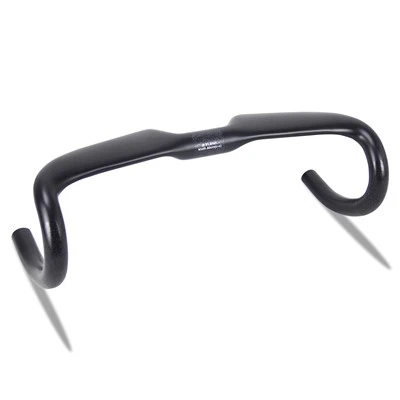
Road Bike Handlebar If you are in the market for a carbon fiber bicycle saddle and have any questions about safety or other aspects of our products, we are more than happy to assist you. We invite you to contact us to discuss your specific needs and requirements. Our team of experts can provide you with detailed information and guidance to help you make an informed decision. Whether you are a professional cyclist or a casual rider, we are confident that our carbon fiber saddles will meet your expectations in terms of safety, performance, and comfort.
References
- "Composite Materials in Cycling: Design, Performance and Safety", Cycling Technology Journal, Volume 12, Issue 3
- "Carbon Fiber Fatigue and Failure Analysis", Materials Science Review, Volume 25, Issue 4
- "Environmental Effects on Composite Materials", Journal of Composite Structures, Volume 30, Issue 2
Hunan Yecheng Technology Co., Ltd.
We’re well-known as one of the leading carbon fiber bicycle saddle manufacturers and suppliers in China, also support customized service. Please feel free to buy high quality carbon fiber bicycle saddle for sale here from our factory. For more information, contact us now.
Address: Changsha, Hunan Province, China.
E-mail: info@rxlsl.com
WebSite: https://www.rxlsl.com/
