As a supplier of air hose reels, I’ve witnessed firsthand the frustration and inefficiencies that kinking of air hoses can bring to various workplaces. Kinking not only shortens the lifespan of the air hose but also disrupts workflow and can lead to safety hazards. In this blog, I’ll share some practical tips on how to prevent the kinking of air hoses on a reel, based on my years of experience in the industry. Air Hose Reels

Understanding the Causes of Kinking
Before we delve into prevention methods, it’s crucial to understand why air hoses on reels kink in the first place. There are several factors that contribute to this problem:
1. Improper Reeling:
One of the most common causes is incorrect reeling technique. If the hose is not wound evenly onto the reel, it can start to bunch up and form kinks. For example, if you pull the hose out too quickly and then reel it back in a haphazard manner, the hose may cross over itself, creating tight spots where kinking can occur.
2. Hose Quality and Material:
The quality and material of the air hose also play a significant role. Low – quality hoses are more prone to kinking because they lack the flexibility and durability needed to withstand repeated bending and coiling. Some hoses may be made of stiffer materials that are less forgiving when it comes to reeling and unreeling.
3. External Factors:
External elements such as extreme temperatures, sharp objects, and heavy loads can also cause kinking. In cold weather, the hose material becomes more rigid, making it more likely to kink. Additionally, if the hose rubs against sharp edges or is subjected to excessive weight, it can damage the hose structure and lead to kinking.
Prevention Strategies
1. Use High – Quality Hoses
Investing in high – quality air hoses is the first step in preventing kinking. Look for hoses made from materials such as polyurethane or rubber with good flexibility and memory. These materials are more resistant to kinking and can return to their original shape after being bent. High – quality hoses also tend to have better abrasion resistance, which means they can withstand the wear and tear of regular use on the reel.
2. Choose the Right Reel
The type of reel you use is equally important. There are different types of air hose reels, including manual, automatic, and spring – retractable reels. Each type has its own advantages and disadvantages, but when it comes to preventing kinking, an automatic or spring – retractable reel can be a great choice. These reels are designed to wind the hose evenly and smoothly, reducing the risk of kinking. Make sure the reel is the right size for the hose. A reel that is too small may not allow the hose to wind properly, while a reel that is too large can cause the hose to flop around and kink.
3. Properly Reel and Unreel the Hose
Correct reeling and unreeling techniques are essential for preventing kinking. When unreeling the hose, pull it out slowly and evenly, ensuring that it does not twist or cross over itself. If you notice any twists starting to form, stop and unwind the hose slightly to straighten it out.
When reeling the hose back in, use a steady and consistent motion. If you’re using a manual reel, turn the crank at a uniform speed. For automatic or spring – retractable reels, guide the hose gently back onto the reel to ensure an even winding. Avoid jerking the hose or reeling it in too quickly, as this can cause it to bunch up and kink.
4. Regular Maintenance
Regular maintenance of both the air hose and the reel is crucial for preventing kinking. Inspect the hose regularly for signs of wear, damage, or kinking. If you find any kinks, try to straighten them out gently. You can soak the kinked section in warm water to make the hose more flexible and then carefully straighten it.
Clean the reel regularly to remove dirt, debris, and any lubricants that may have accumulated. This will ensure that the reel rotates smoothly and that the hose can be wound and unwound without any hindrance. Lubricate the moving parts of the reel as recommended by the manufacturer to keep it in good working condition.
5. Protect the Hose from External Elements
To prevent kinking caused by external factors, take steps to protect the air hose. In cold weather, consider using a hose cover or insulation to keep the hose flexible. Avoid dragging the hose over sharp objects or rough surfaces, and make sure it is not exposed to heavy loads or excessive pressure.
If the hose is used in an area where it may come into contact with chemicals or other corrosive substances, choose a hose that is resistant to these materials. This will not only prevent kinking but also extend the lifespan of the hose.
6. Training and Education
Proper training of the users is often overlooked but is a very important aspect of preventing kinking. Make sure that all employees or users who will be handling the air hose and reel are trained on the correct procedures for reeling, unreeling, and maintaining the equipment. Provide them with clear instructions and guidelines on how to prevent kinking. This can significantly reduce the incidence of kinking and improve the overall efficiency of the workplace.
The Importance of Preventing Kinking
Preventing kinking of the air hose on the reel is not just about improving the appearance of the equipment or making it easier to use. It has several important benefits:
1. Extended Lifespan of the Hose
By preventing kinking, you can significantly extend the lifespan of the air hose. Kinking can cause internal damage to the hose, such as stress cracks and weakening of the material. Over time, these damages can lead to leaks and failures, forcing you to replace the hose more frequently.
2. Improved Workflow
A kinked air hose can disrupt workflow, causing delays and inefficiencies. When the hose is kinked, air flow may be restricted, reducing the performance of pneumatic tools. This can result in longer job times and increased labor costs. By preventing kinking, you can ensure that the air hose functions properly at all times, allowing for smooth and uninterrupted work.
3. Safety
Kinking can also pose safety hazards. A kinked hose may cause sudden pressure changes, which can lead to unexpected tool behavior or even hose rupture. In addition, employees may be tempted to use force to straighten out a kinked hose, which can increase the risk of injury. By preventing kinking, you can create a safer work environment for everyone.
Conclusion
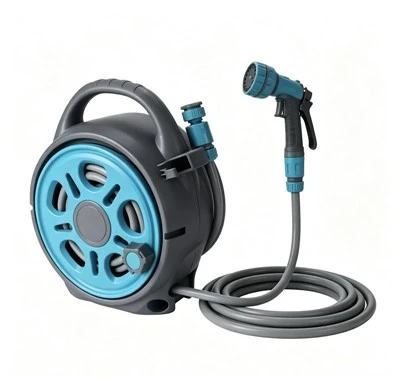
Preventing the kinking of air hoses on reels requires a combination of using high – quality equipment, proper handling techniques, regular maintenance, and user training. As a supplier of air hose reels, I strongly encourage you to implement these strategies to ensure that your air hoses last longer, your workflow is more efficient, and your workplace is safer.
Water Hose Reels If you’re interested in purchasing high – quality air hose reels that are designed to minimize the risk of kinking, I invite you to contact us for a procurement discussion. We have a wide range of air hose reels to suit different applications and budgets. Our team of experts can provide you with the best advice and solutions based on your specific needs.
References
- "Handbook of Pneumatic Systems and Equipment." This comprehensive handbook provides in – depth knowledge about air hoses, reels, and pneumatic systems, including information on preventing kinking and maintaining equipment.
- Industry research papers on the durability and performance of air hoses, which often discuss the impact of kinking and ways to prevent it.
- Manufacturer’s guidelines and manuals for air hose reels, which typically offer specific instructions on proper use and maintenance to prevent kinking.
Yongkang Fengding Industry & Trade Co., Ltd.
Yongkang Fengding Industry & Trade Co., Ltd. is one of the most professional air hose reels manufacturers and suppliers in China, also supports customized service. Please feel free to buy advanced air hose reels made in China here from our factory. Quality products and reasonable price are available.
Address: No.96 Lixin Road, Houren Village, Shizhu Town, Yongkang City, Jinhua City, ZhejiangProvince, 321300, China
E-mail: Cecilia@fdgmtool.com
WebSite: https://www.fdgmtool.com/
