Food preservation has been a crucial aspect of human civilization since ancient times. From the simple act of drying fruits under the sun to the modern use of advanced food additives, the methods have evolved significantly. As a supplier of food additives, I’ve witnessed firsthand the ongoing debate about the effectiveness and safety of food additives compared to traditional preservation methods. In this blog, I’ll delve into this comparison, exploring the pros and cons of both approaches to provide you with a comprehensive understanding. Food Additives

Traditional Food Preservation Methods
Traditional food preservation methods have been passed down through generations and are deeply rooted in cultural practices. These methods rely on natural processes and ingredients to extend the shelf life of food. Some of the most common traditional methods include drying, salting, smoking, fermenting, and using natural preservatives like honey and vinegar.
Drying
Drying is one of the oldest and simplest methods of food preservation. By removing moisture from food, the growth of bacteria, yeast, and mold is inhibited. This method is commonly used for fruits, vegetables, meats, and fish. Dried foods can be stored for long periods without refrigeration and are often used in soups, stews, and snacks. However, drying can also lead to a loss of nutrients and flavor, and the process can be time-consuming.
Salting
Salting is another ancient preservation technique that involves coating food with salt. Salt draws out moisture from the food, creating an environment that is hostile to microorganisms. This method is commonly used for meats, fish, and vegetables. Salted foods have a long shelf life and can be stored at room temperature. However, excessive salt intake can have negative health effects, such as high blood pressure.
Smoking
Smoking is a preservation method that combines the effects of heat, drying, and the antimicrobial properties of smoke. The smoke contains chemicals that inhibit the growth of bacteria and mold, while the heat helps to dry the food. Smoking is commonly used for meats, fish, and cheeses. Smoked foods have a unique flavor and aroma, but the process can be time-consuming and requires specialized equipment.
Fermenting
Fermenting is a natural process that involves the breakdown of carbohydrates by microorganisms, such as bacteria and yeast. This process produces acids, alcohol, and carbon dioxide, which help to preserve the food and give it a distinctive flavor. Fermented foods include yogurt, cheese, sauerkraut, kimchi, and pickles. Fermentation can improve the digestibility of food and increase its nutritional value. However, the process can be unpredictable, and improper fermentation can lead to spoilage.
Using Natural Preservatives
Natural preservatives, such as honey and vinegar, have been used for centuries to preserve food. Honey has antibacterial properties and can be used to preserve fruits, vegetables, and meats. Vinegar is acidic and can inhibit the growth of bacteria and mold. It is commonly used in pickling and canning. Natural preservatives are generally considered safe and have a lower environmental impact compared to synthetic food additives. However, they may not be as effective in preventing spoilage as some synthetic additives.
Food Additives
Food additives are substances added to food to improve its appearance, flavor, texture, or shelf life. They can be natural or synthetic and are regulated by government agencies to ensure their safety. There are several types of food additives, including preservatives, antioxidants, emulsifiers, stabilizers, and flavor enhancers.
Preservatives
Preservatives are additives that prevent the growth of microorganisms, such as bacteria, yeast, and mold. They help to extend the shelf life of food and reduce the risk of spoilage. Some common preservatives include sodium benzoate, potassium sorbate, and calcium propionate. These additives are effective in preventing the growth of a wide range of microorganisms and are commonly used in processed foods, such as beverages, snacks, and baked goods.
Antioxidants
Antioxidants are additives that prevent the oxidation of fats and oils, which can lead to rancidity and the development of off-flavors. They help to maintain the quality and stability of food and reduce the risk of spoilage. Some common antioxidants include vitamin C, vitamin E, and butylated hydroxytoluene (BHT). These additives are effective in preventing the oxidation of a wide range of foods, including oils, nuts, and meat products.
Emulsifiers and Stabilizers
Emulsifiers and stabilizers are additives that help to prevent the separation of oil and water in food products. They help to improve the texture and stability of food and prevent the formation of lumps or clumps. Some common emulsifiers and stabilizers include lecithin, xanthan gum, and carrageenan. These additives are commonly used in dairy products, salad dressings, and sauces.
Flavor Enhancers
Flavor enhancers are additives that improve the taste and aroma of food. They help to enhance the natural flavors of food and make it more appealing to consumers. Some common flavor enhancers include monosodium glutamate (MSG), hydrolyzed vegetable protein, and yeast extract. These additives are commonly used in processed foods, such as soups, sauces, and snacks.
Comparison of Food Additives and Traditional Preservation Methods
Both food additives and traditional preservation methods have their advantages and disadvantages. The choice between the two depends on several factors, including the type of food, the desired shelf life, the cost, and the consumer’s preferences.
Effectiveness
Food additives are generally more effective in preventing spoilage and extending the shelf life of food compared to traditional preservation methods. They can inhibit the growth of a wide range of microorganisms and prevent the oxidation of fats and oils. Traditional preservation methods, on the other hand, may not be as effective in preventing spoilage, especially in foods that are prone to microbial growth or oxidation.
Safety
Both food additives and traditional preservation methods are considered safe when used in accordance with regulatory guidelines. However, some consumers may have concerns about the safety of synthetic food additives. It’s important to note that food additives undergo rigorous testing and evaluation before they are approved for use in food. The regulatory authorities set strict limits on the amount of additives that can be used in food to ensure their safety.
Nutritional Value
Traditional preservation methods, such as drying, fermenting, and using natural preservatives, can help to retain the nutritional value of food. For example, fermented foods are rich in probiotics, which are beneficial bacteria that can improve gut health. Food additives, on the other hand, may not have a significant impact on the nutritional value of food, although some additives, such as vitamins and minerals, can be used to fortify food.
Flavor and Texture
Food additives can be used to improve the flavor and texture of food. For example, flavor enhancers can enhance the natural flavors of food, while emulsifiers and stabilizers can improve the texture and consistency of food. Traditional preservation methods, on the other hand, can also affect the flavor and texture of food. For example, smoking can give food a unique flavor and aroma, while fermenting can give food a tangy and sour taste.
Cost
Food additives are generally more cost-effective than traditional preservation methods. They can be used in small amounts to achieve the desired effect, and they can extend the shelf life of food, reducing the need for frequent restocking. Traditional preservation methods, on the other hand, may require more time, energy, and resources, which can increase the cost of production.
Conclusion
In conclusion, both food additives and traditional preservation methods have their place in the food industry. Traditional preservation methods are deeply rooted in cultural practices and can help to retain the nutritional value and flavor of food. However, they may not be as effective in preventing spoilage and extending the shelf life of food compared to food additives. Food additives, on the other hand, are more effective in preventing spoilage and can improve the flavor and texture of food. However, some consumers may have concerns about their safety.
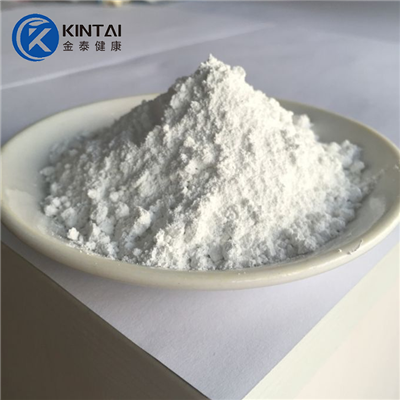
As a supplier of food additives, I understand the importance of providing safe and effective products to my customers. I strive to offer a wide range of food additives that meet the highest quality standards and comply with regulatory requirements. Whether you’re a food manufacturer, a chef, or a home cook, I can help you find the right food additives for your needs.
Food Supplement and Dietary Supplement If you’re interested in learning more about our food additives or would like to discuss your specific requirements, please don’t hesitate to contact me. I’d be happy to provide you with more information and answer any questions you may have.
References
- Motarjemi, Y., & Lelieveld, H. L. M. (2004). Food additives: risks and benefits. International Journal of Food Microbiology, 91(3), 223-239.
- Codex Alimentarius Commission. (2019). Codex General Standard for Food Additives. Rome: FAO/WHO Joint Food Standards Programme.
- Todhunter, R. (2016). Handbook of food preservatives (3rd ed.). Cambridge: Woodhead Publishing.
- Talon, R., & Leroy, S. (2011). Natural and traditional food preservatives. Cambridge: Woodhead Publishing.
Kintai Healthtech Inc.
As one of the most professional food additives manufacturers and suppliers in China, we’re featured by quality products and good price. Please rest assured to buy bulk food additives for sale here from our factory. Contact us for more details.
Address:
E-mail: info@kintaibio.com
WebSite: https://www.healthkintai.com/
