As a supplier of lifting points, I understand the critical importance of safety when it comes to these essential components in various industries. Lifting points are used in a wide range of applications, from construction and manufacturing to transportation and logistics. Ensuring that they meet strict safety requirements is not only a legal obligation but also a moral responsibility to protect the well – being of workers and the integrity of the operations. Lifting Point
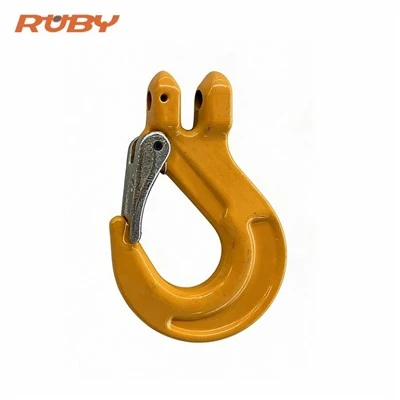
1. Design and Material Standards
The design of a lifting point is the first step in ensuring its safety. A well – designed lifting point should be able to withstand the maximum load it is intended for, taking into account factors such as dynamic forces and shock loads. This requires a thorough understanding of engineering principles and appropriate design calculations.
For example, in the case of forging a lifting point, the forging process should be carefully controlled to ensure a uniform grain structure in the metal. This improves the strength and fatigue resistance of the lifting point. The shape of the lifting point should also be ergonomic and prevent the lifting equipment from slipping off.
When it comes to materials, only high – quality metals should be used for manufacturing lifting points. Common materials include alloy steels, which offer excellent strength – to – weight ratios. These steels need to meet specific international standards, such as those set by ASTM (American Society for Testing and Materials) or ISO (International Organization for Standardization). For instance, ASTM A193 Grade B7 is a popular choice for bolts in lifting applications due to its high yield strength and good corrosion resistance.
2. Load Capacity and Certification
One of the most crucial safety requirements for a lifting point is its load capacity. Every lifting point must be clearly marked with its rated load capacity. This rating is determined through rigorous testing procedures, which typically involve applying a gradually increasing load until the point of failure. The rated load capacity is then set at a fraction of the ultimate load to ensure a safety factor.
For example, if a lifting point fails at a load of 10,000 pounds, its rated load capacity might be set at 2,500 pounds, providing a safety factor of four. This safety factor accounts for uncertainties in real – world applications, such as uneven loading, shock loads, and material degradation over time.
Certification is also an essential aspect of load capacity. A reputable lifting point supplier should provide certification documents that verify the load capacity and compliance with relevant standards. These certificates are often issued by independent testing laboratories, which conduct comprehensive tests on the lifting points to ensure their safety.
3. Inspection and Maintenance
Regular inspection and maintenance are vital to ensure the continued safety of lifting points. Before each use, a visual inspection should be carried out to check for any signs of damage, such as cracks, deformation, or corrosion. Any lifting point that shows signs of damage should be immediately taken out of service and replaced.
In addition to pre – use inspections, periodic in – depth inspections should be conducted. These inspections may involve non – destructive testing techniques, such as ultrasonic testing or magnetic particle inspection, to detect internal flaws that may not be visible to the naked eye.
Maintenance of lifting points includes proper cleaning and lubrication. Dirt and debris can cause abrasion and corrosion, which can weaken the lifting point over time. Lubrication of moving parts, if applicable, helps to reduce friction and prevent wear.
4. Installation Requirements
The correct installation of a lifting point is just as important as its design and material quality. Improper installation can lead to reduced load capacity and even cause the lifting point to fail during operation.
First, the surface where the lifting point is to be installed must be clean and flat. Any unevenness or contaminants can prevent a proper connection and lead to stress concentrations. The installation holes should be drilled to the correct size and depth, and the bolts or other fastening devices should be tightened to the specified torque.
For example, when installing a threaded lifting point, the threads should be clean and free of damage. The nut or bolt should be tightened using a torque wrench to ensure that it is neither over – tightened, which can cause damage to the threads, nor under – tightened, which can result in the lifting point coming loose during use.
5. Compatibility with Lifting Equipment
Lifting points must be compatible with the lifting equipment they are used with. This includes the type of hook, sling, or other lifting attachments. For example, the size and shape of the lifting point should match the hook to ensure a secure connection.
The angle at which the lifting force is applied also needs to be considered. Different lifting points are designed for specific lifting angles, and exceeding these angles can significantly reduce the load capacity. For instance, a lifting point that is rated for vertical lifting may have a much lower capacity when used at an angle.
6. Training and Education
Proper training and education for workers who use lifting points are essential safety requirements. Workers should be trained on how to select the correct lifting point for the job, how to install and inspect it properly, and how to operate the lifting equipment safely.
Training programs should include both theoretical knowledge and practical hands – on experience. Theoretical training can cover topics such as load capacity calculations, safety standards, and the importance of regular inspections. Practical training allows workers to practice installing, inspecting, and using lifting points in a controlled environment.
Conclusion
In conclusion, the safety requirements for a lifting point encompass a wide range of aspects, from design and material selection to inspection, maintenance, installation, compatibility, and worker training. As a lifting point supplier, we are committed to providing high – quality products that meet all these safety requirements.
We understand that safety is not an option but a necessity in any industry that uses lifting points. Our team of experts is constantly involved in research and development to improve the design and performance of our lifting points. We also ensure that all our products are thoroughly tested and certified to meet international safety standards.

If you are in the market for reliable and safe lifting points, we invite you to contact us for a detailed discussion. Our experienced sales team can provide you with all the information you need about our products, including their specifications, load capacities, and safety features. We look forward to the opportunity to work with you and contribute to the safety and efficiency of your operations.
Weldable Lifting Lugs References:
- American Society for Testing and Materials (ASTM) standards related to lifting equipment and materials.
- International Organization for Standardization (ISO) standards for lifting points and safety in the lifting industry.
- Engineering textbooks on materials science and mechanical design for lifting applications.
Hangzhou Ruby Imp. & Exp. Co., Ltd.
As one of the most experienced lifting point manufacturers and suppliers in China, we offer a wide range of products with superior quality. We warmly welcome you to wholesale custom made lifting point at competitive price from our factory.
Address: Taoyuan Industrial Park, Puyang Town, Xiaoshan, Hangzhou, Zhejiang, China.
E-mail: Sales5@z2lifting.com
WebSite: https://www.rubylifting.com/
