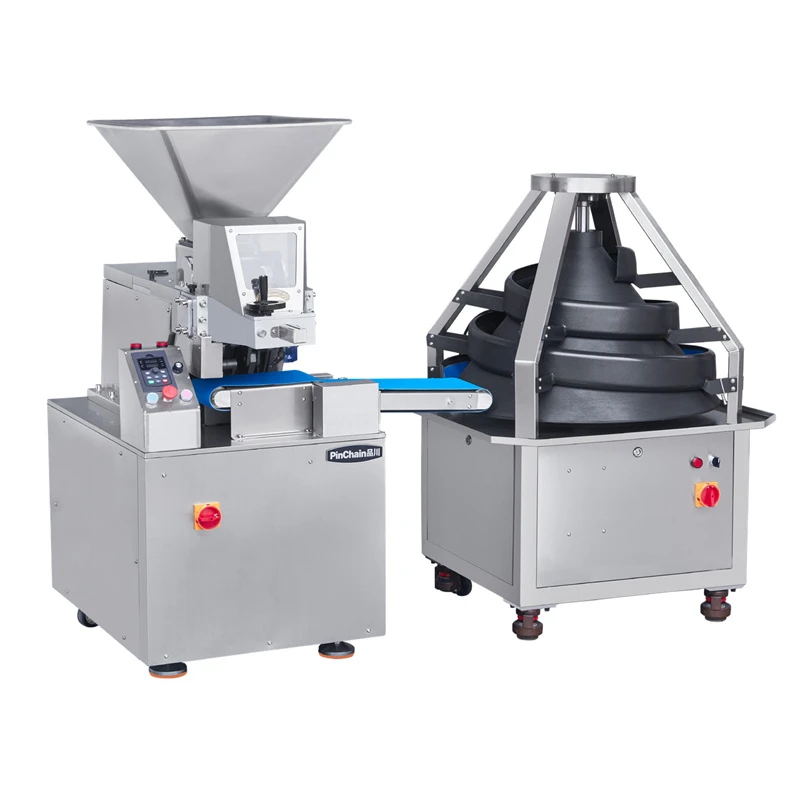
Hey there! I’m a supplier of Bread and Toast Forming Lines. I’ve been in this business for quite a while, and I know how crucial it is to keep the conveyor in a bread and toast forming line running smoothly. In this blog post, I’m gonna share some tips and tricks on how you can do just that. Bread and Toast Forming Line
Regular Maintenance Checks
The first thing you gotta do is to carry out regular maintenance checks on the conveyor. This is like giving your car a tune – up. You wouldn’t want your car to break down in the middle of the road, right? Well, the same goes for your conveyor.
- Visual Inspections: Every day, have someone take a good look at the conveyor. Check for any signs of wear and tear on the belts, rollers, and chains. Look for frayed belts, loose rollers, or rusty chains. If you spot anything suspicious, deal with it right away.
- Lubrication: The moving parts of the conveyor need to be lubricated regularly. This reduces friction and helps the conveyor run more smoothly. Use the right type of lubricant recommended by the manufacturer. Don’t over – lubricate, though, as that can attract dust and dirt.
Keep it Clean
A clean conveyor is a happy conveyor. Bread and toast production generates a lot of crumbs and debris, and if these are allowed to build up on the conveyor, it can cause all sorts of problems.
- Daily Cleaning: At the end of each shift, clean the conveyor thoroughly. Use a soft brush or a vacuum cleaner to remove any crumbs and debris from the belts and rollers. Make sure to get into all the nooks and crannies.
- Deep Cleaning: Once a week or so, give the conveyor a deep cleaning. You can use a mild detergent and warm water to clean the belts and frames. Rinse it well and let it dry completely before starting the conveyor again.
Train Your Staff
Your staff plays a huge role in ensuring the smooth operation of the conveyor. They need to know how to use the conveyor properly and what to do in case of any problems.
- Proper Training: Provide comprehensive training to your staff on how to operate the conveyor. Teach them about safety procedures, how to load and unload products, and how to monitor the conveyor’s performance.
- Emergency Response Training: Make sure your staff knows what to do in case of an emergency, like a jam or a breakdown. Have an emergency response plan in place and conduct regular drills.
Monitor the Load
One of the most common causes of conveyor problems is overloading. You need to make sure that the conveyor is not carrying more weight than it can handle.
- Know the Capacity: Find out the maximum load capacity of your conveyor and stick to it. Don’t try to push it beyond its limits.
- Even Distribution: When loading products onto the conveyor, make sure they are evenly distributed. Uneven loading can cause the conveyor to run unevenly and increase the risk of breakdowns.
Use Quality Parts
Using high – quality parts is essential for the smooth operation of the conveyor. Cheap and inferior parts may save you money in the short term, but they can cause a lot of problems in the long run.
- Replace with Original Parts: Whenever you need to replace a part of the conveyor, try to use the original parts recommended by the manufacturer. These parts are designed specifically for your conveyor and are more likely to work properly.
- High – Quality Belts: The conveyor belt is one of the most important components. Invest in high – quality belts that are durable and resistant to wear and tear.
Check the Alignment
If the conveyor is not properly aligned, it can cause the belts to wear unevenly and increase the risk of jams.
- Regular Alignment Checks: Periodically check the alignment of the conveyor. You can use a straightedge or a laser alignment tool to make sure that the belts and rollers are in line.
- Adjustment: If you find that the conveyor is out of alignment, make the necessary adjustments. This may involve adjusting the tension of the belts or realigning the rollers.
Control the Environment
The environment in which the conveyor operates can also affect its performance.
- Temperature and Humidity: Try to maintain a stable temperature and humidity level in the production area. Extreme temperatures and high humidity can cause the belts to expand or contract, which can lead to problems.
- Dust and Debris: As I mentioned earlier, keep the area around the conveyor clean. A lot of dust and debris in the air can settle on the conveyor and cause problems.
Keep Records
Keeping records of the conveyor’s maintenance and performance can be really helpful.
- Maintenance Log: Keep a log of all maintenance activities, including when they were done, what was done, and who did it. This can help you identify any recurring problems and plan future maintenance.
- Performance Data: Record data on the conveyor’s performance, such as the number of products it processes per hour, the number of breakdowns, and the time it takes to fix them. This can help you evaluate the conveyor’s efficiency and make any necessary adjustments.
Conclusion

Ensuring the smooth operation of the conveyor in a bread and toast forming line is not rocket science, but it does require some effort. By following these tips – regular maintenance, keeping it clean, training your staff, monitoring the load, using quality parts, checking the alignment, controlling the environment, and keeping records – you can keep your conveyor running smoothly and avoid costly breakdowns.
Divider If you’re in the market for a new Bread and Toast Forming Line or you need help with maintaining your existing conveyor, I’d love to have a chat with you. Just reach out, and we can start a conversation about how I can help meet your production needs.
References
- "Conveyor Systems Handbook", Industry Press
- "Bakery Equipment Maintenance Guide", Association of Bakers
Guangdong Pinchain Machinery Co., Ltd.
As one of the most professional bread and toast forming line manufacturers and suppliers in China, we have world-leading production equipment and strong manufacturing capabilities. Please feel free to wholesale advanced bread and toast forming line made in China here from our factory.
Address: Room 302, Building 9, CIMC High tech Intelligent Manufacturing Center, No.3 Chanxing 1st Road, Xianyong Village, Chencun Town, Shunde District, Foshan City, Guangdong Province
E-mail: kowa@bakingmachinery.com
WebSite: https://www.bakingsmachinery.com/
