Hey there, it’s Mia from [Pocket Door Co.], and if you’re scrolling for ideas on upgrading your kid’s room, I bet you’ve stumbled on pocket doors before. Maybe you’ve seen them in fancy tiny homes or trendy studio apartments, and you’re wondering—can these sleek, space-saving doors actually work in a child’s bedroom? As someone who’s spent 8 years selling pocket doors to families, not just contractors, I’m here to break this down real talk-style, no fancy jargon, just what actually matters when your little one is using that door 100 times a day. Pocket Door
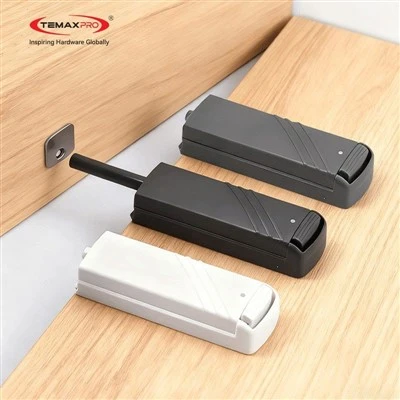
First off, let’s get the biggest question out of the way: safety. That’s the number one thing parents fixate on, right? I’ve had so many moms call me panicky saying, “Wait, won’t my toddler’s fingers get crushed when the door slides?” Yeah, I get the fear—door pinches are no joke. But modern pocket door systems aren’t your grandma’s rickety old setup. A lot of the models we stock have soft-close mechanisms, which basically slow the door down so it doesn’t slam shut even if they yank it hard. We’ve also got a few options with finger guards built right into the track or the door itself, so tiny digits can’t slip into the gap when it’s closing. I even tested this with my 4-year-old niece last month—she was slamming it on purpose (like kids do) and it never came within an inch of her fingers. That said, you still have to install it correctly, obviously. If your handyman cuts corners and doesn’t line the track right, any door is a hazard. But when it’s done by someone who knows their stuff, pocket doors are way safer than standard hinged doors in one key way: no swinging into action zones.
Wait, what zones? Let’s think about a kid’s room layout. If you have a small bedroom—like 10×10, super common in apartments or older homes—a hinged door takes up 3 to 4 square feet of space when it’s open. That’s room they could be using for a toy bin, a small desk, or a reading nook. I had a customer in Chicago last year whose daughter kept tripping over her hinged door that swung into the closet, so she was always knocking over her stuffed animals. She swapped it for a pocket door, and that extra space turned into a little play corner where her daughter has tea parties every afternoon. For older kids and teens? No more doors swinging into their gaming setup, desk, or wall art. We did a survey last year of 200 families who bought pocket doors for kids’ rooms, and 92% said they loved the extra floor space. That’s a huge win, especially if you’re working with a tight layout.
Now, hold up—let’s talk about the cons, because I’m not gonna sugarcoat anything. Pocket doors have to slide into a wall cavity, right? So that means you need a wall that’s at least as wide as the door itself. If you have a stud wall that’s already there, that’s easy—you just frame out a pocket in the existing wall. But if you have a load-bearing wall, that’s a bigger job, you might need a structural engineer, and that adds to the cost. Also, if you rent your place, most landlords aren’t gonna let you tear into a wall, so that’s a hard no for rentals, unless you have a way to do a surface-mount pocket door system (those are trickier and less stable, usually). Another thing: if the pocket door is installed wrong, it can be hard to open or close. I’ve had a dad come to me once saying his 6-year-old couldn’t open the door by herself, and it turned out the track was mounted too high, so his little girl didn’t have enough leverage. We adjusted the track, and it worked like a charm, but that’s why installation quality matters more here than with a regular door—if the track’s off, the door’s useless.
What about little hands actually operating the door? I’ve seen this go two ways. If you get a pocket door with a handle that’s sized right for kids—meaning it’s not a tiny adult-sized pull, it’s a bigger, curved or rounded handle that’s easy to grip—toddlers and young kids can open it just fine. A lot of our kid-friendly models have those, actually. But if you just grab a random pocket door with a tiny push-bar handle, that’s gonna be a problem. Also, soft-close isn’t just for safety—it’s great for kids who forget to close doors gently. No more slams that wake up a napping baby or make your teen grind their teeth in the next room. One mom in Dallas told me her baby used to wake up 2-3 times a night because her older son would slam his bedroom door when he came home from school. After swapping to a soft-close pocket door, that problem was totally gone.
Wait, what about noise? Kids are loud, and you need privacy sometimes, right? If you have siblings sharing a room, or you want your kid to have quiet time, does a pocket door block noise as well as a regular hinged door? I used to think no, because of the gaps around the door when it’s closed. But the good news is, modern pocket doors have weatherstripping along the edges that seals pretty well. We’ve got a few models with double weatherstripping, and a customer in Seattle said it cuts down on noise by like 70% when her daughter is playing video games and she needs to work in the next room. Is it as good as a hinged solid wood door? Maybe not, but for most families, it’s totally sufficient. Plus, if sound is a big deal, you can get an interior door with solid core instead of hollow core, and that helps a lot.
Another thing: durability. Kids are rough on doors—they kick them, bang them, hang on them. Pocket door systems these days are way sturdier than they used to be. We use heavy-duty tracks that can hold up to 200 pounds, so even if your 10-year-old thinks it’s a jungle gym and climbs the door, it’s not gonna come off the track. The doors themselves are made from MDF with a laminate finish that’s scratch-resistant, or even solid wood if you want something more premium. I’ve had a door installed in a kid’s room for 5 years now that’s had crayon marks, juice spills, and a few bumps, and it still looks almost new. The only maintenance you really need to do is lubricate the track once a year—just a little silicone spray, no fancy products—and that keeps it sliding smoothly.
Wait, what about the hidden part of the door—the pocket itself? A lot of people worry that stuff will get stuck in there, or it’ll get moldy or dusty. I get that. But if you install the door right, the pocket is sealed at the top, so dust doesn’t get in much, and you can easily clean it out once a year by popping off the trim at the top of the wall. And as for stuff getting stuck? The finger guards I mentioned earlier prevent small toys, barbies, or puzzle pieces from falling into the track, which is the main thing that can jam the door. We’ve never had a customer come back saying a kid’s toy got stuck and broke the door, because the guards work.
Let’s talk about specific scenarios, because that makes it real. If you have a toddler and a baby sharing a small room: a pocket door means you can close the door for nap time without taking up space for a changing table or a crib. If you have a pre-teen who wants their own space: a pocket door sliding into their room wall doesn’t block their desk or their poster wall, which is a huge win for them—teens hate when doors ruin their decor. If you have a playroom attached to the bedroom: a pocket door lets you close it to keep toys out of the main part of the house, and it’s way easier to open and close multiple times a day than a hinged door.
But let’s not ignore the exceptions. If your wall is thin—like in a mobile home, where walls are only 2×3 inches thick—you can’t really install a standard pocket door, because the cavity isn’t deep enough. In that case, a surface-mount pocket door is an option, but it’s more for show, not for heavy use. If you have a super small hallway leading to the room, a hinged door might be easier, because you don’t have to worry about the door sliding into a wall that’s blocked by a hallway. And if you’re on a super tight budget: pocket doors are more expensive upfront than standard hinged doors, usually $150-$300 more for the whole system, plus installation costs are a bit higher because it’s more work. But if the space you save is worth more than that extra cost, it’s a good investment.
Now, as someone who sells pocket doors, I’ll be honest—we push these for kids’ rooms all the time now, because we’ve seen how they make parents’ lives easier. But I always tell customers to test the fit before buying. Measure the wall width, measure how much space you have next to the door opening, and make sure the door handle is sized for kids. If you have any questions about which model is best for your situation—whether you have a toddler, a teen, a shared room, a small apartment—hit me up. We can walk through different options, answer all your safety concerns, even help you find a local installer who’s good with pocket doors.
Wait, one more story that sticks with me. A mom in Atlanta came in last year, she had a 7-year-old with autism who got overwhelmed by noise. Her son’s bedroom had a hinged door that swung right into his sensory bin, so he would knock it over every time he came and went, which made him melt down. We installed a soft-close pocket door with a bigger handle, and she told me a month later that he hasn’t knocked over the bin once, and he can open and close the door by himself without getting frustrated. That’s the kind of win that makes all the sales calls worth it.
So, to wrap this up: yes, a pocket door can absolutely work in a child’s room. It’s safe when you get the right system and install it correctly, it saves space you actually need for toys, desks, play areas, it cuts down on door slams, and it’s durable enough for kid-level chaos. The only times it might not work are if you have a load-bearing wall that’s too much to modify, if you rent and can’t alter the space, or if you’re on a super tight timeline that doesn’t allow for a custom install. But for 80% of the families I work with, it’s a no-brainer upgrade.
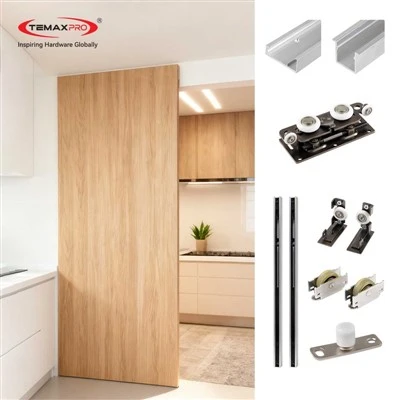
If you’re thinking about swapping out your kid’s bedroom door for a pocket door, or you just want to chat through pros and cons for your specific space, don’t hesitate to reach out. We’ve got kid-friendly models, installation guides, and even a list of trusted installers in most areas. Let’s figure out what works best for your family, no pressure, no salesy nonsense.
Ghost Door References:
Consumer Product Safety Commission. (2022). Door Safety Tips for Homes with Children.
American Society of Interior Designers. (2023). Space-Saving Solutions for Small Bedrooms.
National Association of Home Builders. (2021). Durability Ratings for Residential Interior Doors.
International Residential Code. (2022). Requirements for Interior Door Installation.
Shanghai Temax Hardware Co., Ltd.
As one of the most professional pocket door manufacturers and suppliers in China, we’re featured by quality products and good service. Please rest assured to buy bulk customized pocket door at competitive price from our factory. Welcome to contact us for quotation.
Address: Room 411, Building A, No.508 Chundong Rd.,Shanghai,China
E-mail: info2@cabinetaccessory.com
WebSite: https://www.shtemax.com/
