When I started my B22 bulb supply business over a decade ago, I quickly learned something most first-time buyers miss: picking a high-quality B22 bulb isn’t just about the wattage or the label price. It’s about understanding what makes these bulbs stand out from the old, dim incandescents and flimsy CFLs that clutter store shelves. As someone who’s tested hundreds of B22 bulbs in my warehouse’s test lab, I’m here to break down what actually matters—no industry jargon, no fluff, just straight talk that’ll save you from wasting money on bulbs that burn out in 3 months. B22 Bulb
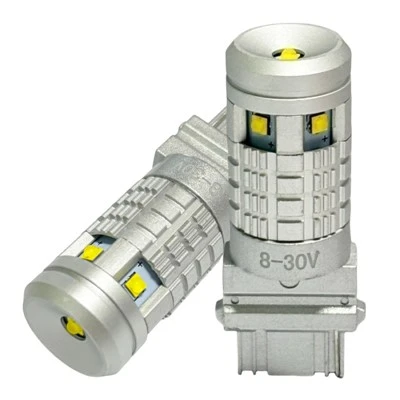
First, let’s get the basics out of the way: a B22 bulb is defined by its 22mm diameter bayonet base, the two little plastic or metal tabs that click into a matching socket. That’s non-negotiable—if you’re buying a bulb that doesn’t fit your existing fixture, it doesn’t matter how good the light is. But beyond the base, the first big check is the light output, measured in lumens—not watts. For too long, people used watts to judge brightness, but a 10W LED B22 bulb can put out the same light as a 60W incandescent, using 80% less energy. Here’s a trick I use with clients: if you’re replacing a 60W incandescent, look for 800-900 lumens; a 100W replacement is around 1600 lumens. But don’t stop at the number—ask for a CRI (Color Rendering Index) rating. A CRI of 80 or higher means colors look natural, not washed out or weirdly tinted. For kitchens, living rooms, or areas where you do detail work (like crafting), go for CRI 90+. I’ve had clients come back saying their old bulbs made their new couch look dull gray, but the B22s we supplied with CRI 92 make the blues and reds pop. That’s the difference between a cheap bulb and a good one.
Next, heat management. This is the secret most low-quality bulb manufacturers skip, and it’s why their bulbs die so fast. B22 bulbs get inserted into enclosed fixtures all the time—think ceiling fans, recessed lights, or wall sconces with tight covers. If the bulb can’t dissipate heat, the LED chips inside overheat, which shortens their lifespan drastically. How do you check this? Look for the heat sink—usually that metal finny part right above the bulb’s light panel. A quality B22 bulb will have a thick aluminum heat sink, not a thin plastic one or a tiny metal disk. Our 12W B22 bulbs, for example, have a 10mm thick aluminum heat sink that keeps the chip temperature under 70°C even when running 24/7 in an enclosed ceiling fan. I’ve seen cheap bulbs with 2mm plastic heat sinks that hit 120°C after an hour—those are dead within 1000 hours, vs. our 15,000-hour average. Also, check the temperature rating on the packaging: it should say something like “suitable for enclosed fixtures” if you need it. If it only says “for open fixtures,” don’t put it in a closed spot—simple as that.
Then there’s lifespan, but don’t just look at the “25,000 hours” number on the box. That number is usually rated for ideal conditions—cool, open air, not 90°C in an enclosed porch. Look for the L70 rating: that means the bulb will still put out 70% of its original brightness after that many hours. A cheap bulb might say 30,000 hours, but it’s L50—so it’s dimmed to half brightness by 15,000 hours, which means you’re actually changing it more often. Our B22 bulbs have L70 ratings of 15,000 to 20,000 hours, and I back that up with a 2-year warranty, no questions asked. How do you verify this? If a supplier won’t tell you the L70 rating, walk away. That’s a red flag. We test every batch in our lab: we run 10 bulbs 24/7, check their brightness every 100 hours, and if any drop below 70% before 15,000, the whole batch gets rejected. No exceptions.
Another thing to watch for is build quality. Hold the bulb in your hand—cheap B22 bulbs feel light, like they’re made of thin plastic and cheap metal tabs. A quality one feels solid, like the plastic housing is thick and the base is zinc alloy (not pure steel, which rusts, or plastic, which breaks when screwing in). The tabs on the bayonet base should click firmly when you insert them into a socket, not wiggle around. I’ve had clients tell me their cheap bulbs fall out of the socket after a week— that’s because the base tabs are made of thin tin, which bends easily. Our B22 bases are zinc alloy with a protective coating, so they stay tight for years. Also, check the wiring inside: if it’s thin copper, that’s fine, but if it’s aluminum, skip it—aluminum wiring corrodes faster, leading to bad connections and bulb failure. Most good suppliers use solid copper, but it’s worth a quick check if you’re buying in bulk.
Energy efficiency matters too, but it’s not just about the watts on the label. Look for Energy Star certification (in the US) or the EU Energy Label—this means the bulb has been tested to meet efficiency standards. A non-Energy Star B22 bulb might use a little less than an incandescent, but it’s 20% less efficient than a certified one, so you’re wasting money on your electric bill over time. I once had a client who bought 100 cheap B22 bulbs for their office; their energy bill was $120 higher a month than when they switched to our Energy Star bulbs. That adds up—over a year, that’s $1440 they didn’t need to spend. Also, check for dimmability if you need it. Not all B22 bulbs work with every dimmer switch. If you want a dimmable bulb, make sure it says “compatible with standard LED dimmers” on the packaging. Our dimmable B22 bulbs work with 90% of standard household dimmers, but I always tell clients to test one first before buying in bulk—no sense in wasting money on bulbs that flicker when you turn the dimmer down.
Wait, let’s talk about color temperature, because this is where a lot of people get confused. Color temperature is measured in Kelvin (K). Warm white is 2700K-3000K—this is the yellowish light you want for bedrooms, dining rooms, places where you want a cozy vibe. Cool white is 4000K-5000K, that bright white light for kitchens, garages, offices, where you need to see clearly. Daylight is 5000K+, which is super bright, like outdoor sunlight—good for basements, workshops, but too harsh for living areas. A lot of cheap bulbs have inconsistent color temperature—one bulb is 2700K, the next is 3200K, so your living room has weird yellow and white spots. All our B22 bulbs are color-matched within 200K across the entire batch, so every bulb you buy looks the same. That’s something I make sure of in our production checks—no one wants a mismatched light in their house.
Now, if you’re buying in bulk for a business, landlord, or a large project, there’s a few extra things to check. First, MOQ (minimum order quantity) and pricing. Don’t fall for the super low per-bulb price—it’s often a loss leader for bulbs that fall apart fast. We offer bulk discounts for orders over 500 bulbs, and I always include a sample pack for free so you can test a few before committing to a big order. Also, ask about lead times—if a supplier takes 6 weeks to ship, that’s a problem for time-sensitive projects. We usually ship bulk orders within 3 business days, because we keep inventory of all common B22 wattages and color temperatures. Another bulk tip: check the supplier’s track record. We’ve been supplying B22 bulbs to restaurants, apartment complexes, and hardware stores for 8 years, so we have a list of references if you want to see how our bulbs perform in commercial settings. If a supplier can’t give you references, that’s a red flag—any reputable supplier should be proud of their past work.
I’ve seen so many people make the mistake of just grabbing the cheapest B22 bulb at the hardware store, only to replace them every 3 months. A high-quality B22 bulb costs a little more upfront, but it saves you money over time—less replacement hassle, lower electric bills, better light. When you’re shopping, ask yourself: does this bulb have a thick aluminum heat sink? Does it have a CRI of 80+ and a clear L70 rating? Is the base solid zinc alloy? If the answer is yes, you’re on the right track. If not, keep looking.
At the end of the day, I’m a B22 bulb supplier who’s in this for the long haul, not just one-off sales. We test every batch, offer warranties, and stand behind our products. If you’re looking to stock up for your home, your business, or a project, don’t hesitate to reach out to talk through what you need. Whether you need warm white for your living room, cool white for your office, or dimmable bulbs for your dining area, I can help you pick the right ones that fit your budget and your needs. No pressure, just straight advice from someone who’s been in the game long enough to know what works.
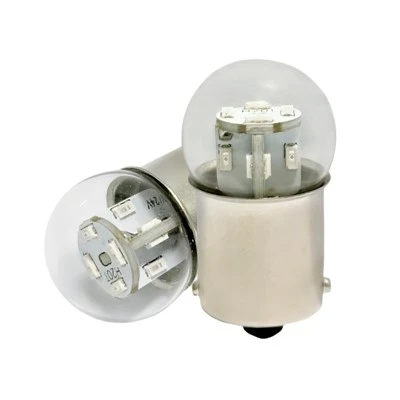
So next time you’re in the market for B22 bulbs, remember: it’s not about the price tag, it’s about the details. Heat sinks, CRI, L70 ratings, solid bases—those are the things that make a bulb worth buying. Skip the cheap ones, and you’ll thank yourself when your bulbs last for years, not months. If you want to order, get samples, or just ask questions, feel free to contact our team to discuss your requirements.
LED Miniature Bulb References
- U.S. Department of Energy. LED Lighting Facts: Key Specifications for High-Quality LED Bulbs. 2023.
- International Electrotechnical Commission. IEC 62560: Specification for Self-Ballasted LED Lamps for General Lighting Services. 2022.
- Lighting Research Center, Rensselaer Polytechnic Institute. The Impact of Color Rendering Index on Perceived Light Quality. 2021.
- National Electrical Manufacturers Association. NEMA SSL 7A: Requirements for LED Lamps. 2020.
BULBPLAN Co., Ltd.
As one of the most professional b22 bulb manufacturers and suppliers in China, our products have good reputation in the market. Please feel free to wholesale cheap b22 bulb for sale here and get pricelist from our factory. Quality products and reasonable price are available.
Address: No. 86 Zhongli Road, Nancheng Street, Dongguan City, Guangdong Province
E-mail: Alex@bulbplan.com
WebSite: https://www.nicebulbs.com/
