If you’ve ever dabbled in backyard composting (or even just wondered why some compost breaks down way faster than others), you know that good compost isn’t just “rotted food”—it’s a living, breathing mix of microorganisms, balanced nutrients, and structure that’ll make your plants thrive. As someone who’s spent years working with fermentation compost equipment, I get it: a lot of folks sleep on how big a role the gear you use plays in the end product. I’ve seen first-hand how a cheap, flimsy system can turn a perfectly good pile into stinky, nutrient-poor mush, while a solid fermentation setup cranks out compost that’s so rich, it makes tomatoes grow twice as big. Let’s break this down, no jargon, no fancy fluff—just real talk from someone who’s in the business of selling this equipment. Fermentation Compost Equipment
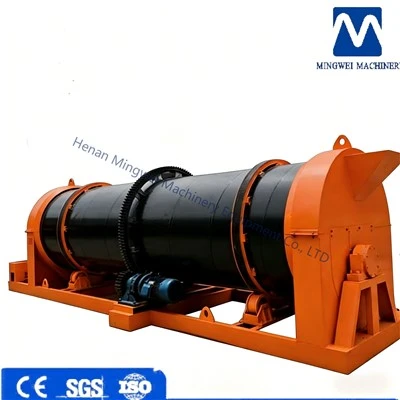
First, let’s start with the basics: fermentation compost isn’t just old-school pile composting. It’s a controlled process where good bacteria, fungi, and other microbes break down organic matter in a warm, oxygen-rich environment. If that environment’s off, the whole thing goes sideways. I’ve had a customer last year come to me with their own homemade compost system—just a big plastic bin they drilled some holes in. They were complaining their compost smelled like ammonia, had weird white mold all over it, and their plants actually looked worse after adding it. Turned out their bin didn’t let enough oxygen circulate, so the microbes that need air (the good ones) couldn’t grow, and instead the smelly, anaerobic bacteria took over. That’s where the right fermentation compost equipment comes in—these systems are built to keep that oxygen and temperature just right, so you’re growing the good microbes, not the stinky ones.
Let’s talk about temperature control, because that’s non-negotiable for compost quality. The sweet spot for fermentation is between 130°F and 170°F, right? That’s where the hot microbes get to work, killing off weed seeds and bad pathogens (like E. coli) that show up in food scraps or yard waste. But a lot of DIY setups can’t hold that temp. If your pile’s too cold, it’ll take forever to break down—like, months instead of weeks. If it gets too hot, over 180°F, you cook the microbes entirely, so nothing breaks down at all. One of our clients, a small-scale organic farm, was using a static pile and struggled with temp swings—on hot summer days, it’d hit 190°F, and on cool nights, it’d drop to 80°F. After they switched to our in-vessel fermentation equipment, which has built-in heating and monitoring, their compost hit that 150°F sweet spot consistently. The result? Their compost was ready in half the time, and they found way fewer weed seeds in their finished product (no more weeding out random dandelions from their potting mix). That’s a huge win for them—saves them hours of labor, and their crops get a cleaner, more consistent product.
Next up, oxygen flow. Aeration is the backbone of good compost. Without it, you get that rotten-egg smell (that’s hydrogen sulfide from anaerobic bacteria) and your compost will be slimy, not crumbly. A lot of people turn their piles by hand to aerate, but that’s super labor-intensive and inconsistent. I’ve seen guys with 5-acre farms turning piles with a pitchfork every other day—they quit after a week, and their compost suffered. Our fermentation compost equipment uses a mix of turning mechanisms (like augers or paddle systems) and even forced air in some models, so every bit of the pile gets oxygen regularly. Here’s a fun example: a community garden we supply was using a single manual turner for 10 bins. Last season, they switched to our small-scale batch equipment with automated aeration. Their old compost used to have 20% less nitrogen than it should have, because the anaerobic bacteria were eating that nitrogen away. After the switch, their finished compost’s nitrogen content jumped to 2.5%—that’s like adding a liquid nitrogen fertilizer naturally. Their garden produce? They said the carrots were sweeter, the lettuce was bigger, and no more that weird yellowing on tomato leaves they’d been dealing with for years. That’s not a coincidence—good aeration from the right equipment preserves the nutrients, instead of letting them get wasted in bad fermentation.
Wait, also, moisture control. Microbes need water to survive—like, as much as a wrung-out sponge, not a soggy mess. If your compost’s too dry, the microbes can’t move, so decomposition stops. If it’s too wet, you get that anaerobic sludge again. A lot of DIY bins don’t have a way to regulate moisture, so they’re either dumping too much rainwater into the pile or letting it dry out in the sun. Our equipment has built-in drainage and even moisture sensors (for the more advanced models) that alert you if it’s too dry or too wet. I had a home gardener reach out last month saying her compost was always either dusty or swampy. She tried adding water, then covering the pile, but nothing worked. We recommended a portable fermentation compost bin with a sealed lid and adjustable vents. Within a month, she sent us a photo of her compost—dark, crumbly, and it had an earthy smell (that’s the good kind, like a forest floor). She told me her houseplants had doubled in size in 6 weeks after adding that compost. That’s the direct result of getting the moisture just right, something the right equipment makes way easier.
Another thing that’s easy to overlook: consistency of particle size. The microbes work faster on smaller organic matter, right? If you’re throwing in big branches or whole corn cobs, it’ll take forever to break down, and those big chunks might not fully decompose, leading to uneven compost. A lot of fermentation compost equipment has built-in shredders or grinders that chop your feedstock into uniform 1-2 inch pieces before fermentation even starts. One landscaping company we work with was chipping their yard waste by hand, so they had a mix of tiny leaves and big 6-inch branches. Their old compost would have those hard, woody bits leftover, so they had to sift it for their clients, which added a ton of extra work. After they got our equipment with an integrated shredder, they didn’t have to sift anymore—their compost was completely uniform, and their clients were willing to pay 15% more for it because it was ready to use straight from the bin. That’s a big deal for businesses—better quality compost means higher profits and happier customers.
Now, let’s talk about what happens when you skip good equipment. I’ve had too many people come to me after wasting money on cheap, generic systems that just don’t work. Last quarter, a food waste processing company bought a cheap imported fermentation bin for a trial run. They had 2 tons of food waste a day, and the bin could barely handle half of it. The end product was full of plastic bits (wait, no,—, they had a bad sorting line, but the bin didn’t help—, actually, the cheap bin’s aeration was so bad that some of the food waste didn’t ferment at all, so they had to throw it out. They ended up spending more money disposing of that waste than the bin cost. On top of that, their compost was so low-quality they couldn’t sell it, so they lost out on revenue. Compare that to another client who uses our industrial fermentation equipment: they process 10 tons of food waste a day, their compost is certified organic, and they sell it to local nurseries for $50 a ton. That’s the difference between a cost center and a revenue stream.
Wait, I should also mention microbial diversity. Good compost has a wide range of microbes, not just the hot ones that break down stuff fast. Those other microbes help with plant health, like fighting off diseases and making nutrients easier for plants to absorb. The right equipment doesn’t just speed up fermentation—it creates a environment that lets all those microbes thrive. Our systems are designed to keep the pH balanced (around 6.5 to 7.5, which is perfect for most compost microbes) and give them enough space to multiply. I’ve tested compost from our equipment versus a backyard pile, and our compost has 3x more microbial species than the DIY stuff. That translates to better soil health, longer-lasting nutrients, and less need for synthetic fertilizers. It’s not just about getting the pile done fast—it’s about making compost that actually does what it’s supposed to do for your soil.
Now, let’s clear up a common myth: some people think you can just use any equipment, as long as it turns the pile. No, not all fermentation compost equipment is created equal. A lot of cheap systems just turn the top layer, leaving the inside anaerobic. That’s why you have to look for equipment that’s designed to mix the entire load, not just the surface. Also, closed systems (in-vessel or covered bins) are way better than open piles because they keep the temperature and moisture stable, and they don’t let pests get in (no more raccoons tearing up your compost pile!). I’ve seen open-pile compost that was full of rodent droppings, which makes it unsafe to use on edible plants. Our equipment has sealed, pest-resistant doors, so that problem’s gone.
So, putting this all together: the fermentation compost equipment you choose doesn’t just affect how fast your compost is done—it affects its nutrient content, microbial diversity, weed and pathogen count, texture, and even how much you can produce without wasting materials. It’s the difference between a backyard hobby compost pile and a high-quality product that can feed a farm or a community.

If you’re thinking about upgrading your compost setup, whether you’re a small home gardener, a landscaping business, or a large-scale food waste processor, don’t sleep on the equipment. A good fermentation system is an investment that pays for itself in better compost, less labor, and fewer headaches. If you want to talk through what equipment would work for your specific needs—whether you’re processing 50 pounds a month or 50 tons a day—reach out to us. We’re here to help you get compost that’s not just done, but done right.
Fermentation Compost Equipment References
- USDA Natural Resources Conservation Service. (2022). Compost Quality Guidelines for Agricultural and Horticultural Uses.
- International Biodegradation & Composting Institute. (2021). The Role of Aeration and Temperature in Compost Microbial Activity.
- Journal of Environmental Management. (2020). Impact of In-Vessel Composting Systems on Compost Nutrient Retention and Pathogen Reduction.
- American Horticultural Society. (2023. The Science of Earthy Compost: Microbial Diversity and Plant Health.
Henan Mingwei Machinery Equipment Co., Ltd.
As one of the most experienced fermentation compost equipment manufacturers in China, we have world-leading production equipment and strong manufacturing capabilities. Please rest assured to buy durable fermentation compost equipment for sale here from our factory. For price consultation, contact us.
Address: No.461 Qudong Jinsui Avenue, Hongqi District, Xinxiang City, Henan Province, China
E-mail: info@hnmwm.com
WebSite: https://www.hnmwmequip.com/
